E47-Quantum Bridge Solutions Podcast


NewTech High Podcast Series
Quantum Bridge Solutions - July 29, 2026
Guests: Jake Trippel and Ric Dressen, Quantum Bridge Solutions
What a powerhouse podcast! Ric Dressen and Jake Trippel of Quantum Bridge Solutions (QBS) were our MVP's of the day with tremendous insight and foresight that we should all pay attention to.
Quantum Bridge Podcast, July 29, 2026
It may be just me, but the thoughts around AI and Quantum make my head spin. I think those types of ideas have always been challenging. As a kid, there were two authors that made me do that. One of those was mentioned today: Megatrends by John Naisbitt. I remember reading the first book my senior year in high school. It shaped the way I thought about everything, including my role in education. The second influence were books that took these ideas of infinity and vastness, including these ideas like AI and Quantum, were by Carl Sagan ("billions and billions"). Three books I read of Sagan included Dragons of Eden, Cosmos and Pale Blue Dot. In between there, I went to college, so didn't have much time to read for fun.
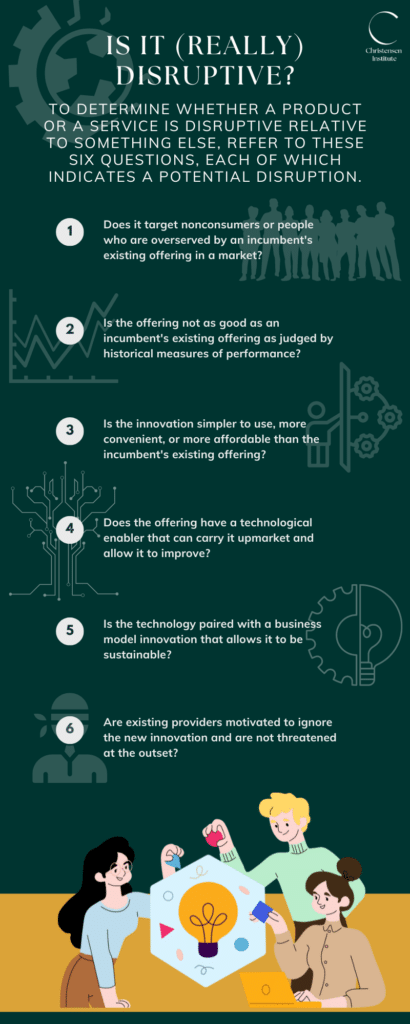
When talking about these subjects with Ric and Jake, like we did with Will Grube, you just get a sense that there is something massive that is taking foot below us. I am compelled to move and act in ways that I never felt compelled to do in the past. An era is leaving and another one is dawning. We are going to partner with these movements, like topics of agentics, or we are going to be left in a sense of displacement. An axiom I used to use coaching (stolen of course) is that there are three people in the world--One who watches things happen, another who makes things happen and a last one who asks, "What happened?" I think we are in that era where there will clearly be some actions that depict each of these scenarios of action figures in the educational arena. As the podcast closes, Jake also mentions the impact on colleges. Let's be clear: Our 9-16 system, including high schools AND colleges, are ripe for disruption. We frequently site Clayton Christensen of "Disruptive Innovations". He asks six questions that I posted in the infographic at the right. One of his central propositions is that the replacing innovation doesn't always need to better than what it replaced. Rodgers states the same. If it is quicker, cheaper, more efficient and/or more useful, there is a greater chance that the innovation can disrupt organizations and concepts that don't even want to be disrupted. Our educational systems are under this duress.
Consider this:
In 1975-1976, there were 160,000 juniors and seniors sitting in public school classrooms in the State of Minnesota. Today, the number of junior and senior students sitting in similar public school classrooms is probably in the 40,000 range. Dual credit, homeschooling, charter schools, alternative learning schools, online schooling and workforce options are among the reasons this disruption is taking place.
During the last 50 years, our standards, credits and requirements have continued to increase. There is an imperative for our high schools to radically redesign towards personalization and relevance before these institutions face even more disruption without their support or consent.
This is going to be a topic that leads our discussions and podcasts in 2026-2027! Thank you, Everyone!


Comments
Post a Comment